
Guide to UV400, Light Transmission Categories & Polarization
Everyone wears sunglasses in summer, yet 90% of people pick the wrong pairs that harm their eyes. Many only care about appearance and assume darker lenses mean better sun protection—this is a dangerous misconception.
1. How Ultraviolet Rays Damage Your Eyes
UVA and UVB rays from sunlight penetrate the eyeballs. Long-term exposure may trigger irreversible eye conditions: pterygium, corneal burns, cataracts, and macular degeneration. Children’s eyes transmit far more light than adults’, so UV damage accumulates much faster without proper shielding.
One critical fact: lens darkness has nothing to do with UV blocking performance. Cheap dark sunglasses lack UV-blocking coatings. When worn, they dim surroundings and dilate pupils, letting more ultraviolet rays reach the retina—this causes worse damage than wearing no sunglasses at all.
2. Core Standard to Look For: UV400
Eye-safe qualified sunglasses must be marked UV400 or 100% UV protection. This means they block over 99% of all UVA and UVB rays within the 400nm spectrum, the minimum requirement for safe outdoor wear.
Lenses only labeled UV380 offer incomplete protection.
Unmarked decorative sunglasses are only for photoshoots and cannot shield eyes under strong sunlight.
3. National Standard Light Transmission Categories (Cat 0–Cat 4)
Labels on sunglass arms list four categories for different scenarios:
Cat 0 / Cat 1 (43%–80% light transmittance): Light-tinted fashion lenses, only suitable for cloudy days or indoor styling; ineffective under harsh sunlight.
Cat 2 (18%–43% transmittance): Best for daily city commutes. Works for urban streets and cloudy weather without distorting traffic light colors.
Cat 3 (8%–18% transmittance): Designed for intense sunlight at beaches, plateaus, and hiking trails. Ideal for all-day outdoor exposure.
Cat 4 (3%–8% transmittance): For extreme glare in snowfields and deserts. Never drive with these, as they severely dim vision and cause temporary blindness in tunnels.
4. Polarization vs. UV Protection: Two Separate Functions
UV400 coating: Blocks harmful ultraviolet rays (an essential feature for all functional sunglasses).
Polarized film: Filters horizontal reflective glare from roads, water, and glass surfaces (boosts visual comfort, an optional feature).
When polarized lenses are recommended: Driving, fishing, skiing, cycling, beach activities. When polarized lenses are unnecessary: Daily shopping, photography (they create rainbow artifacts on screens and distort photo colors).
5. How to Choose Lens Tints
Grey (all-purpose): Delivers the most accurate color reproduction; top choice for drivers with zero color distortion.
Brown / Amber: Boosts visual contrast, sharpens vision in fog or rain, and relieves eye strain.
Green: Gentle on eyes, perfect for long hours of casual outdoor relaxation.
Blue / Pink: Mainly decorative; heavy color distortion makes them unsuitable for driving.
6. Quick Test to Check Lens Quality
Move the glasses while looking at window frames or power lines—no wavy distortion means well-polished lenses (uneven cheap lenses cause dizziness).
Traffic lights and colored signs should remain distinguishable without severe color shifts.
Lenses must be scratch-free with intact coatings and even light transmission.
Best selling products
-
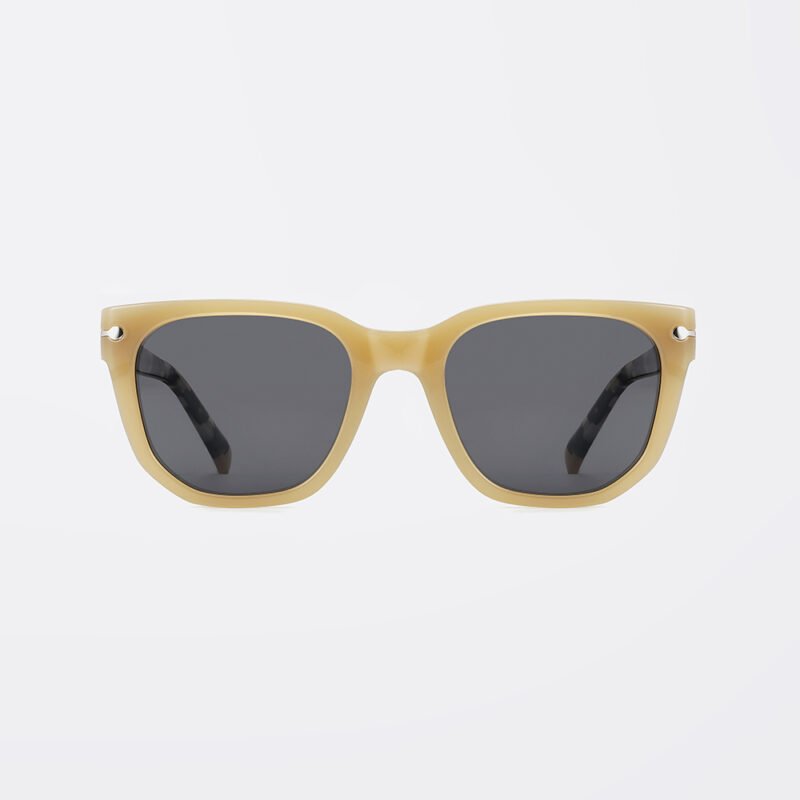
Sunglasses Ji-2020S
$39.90 -
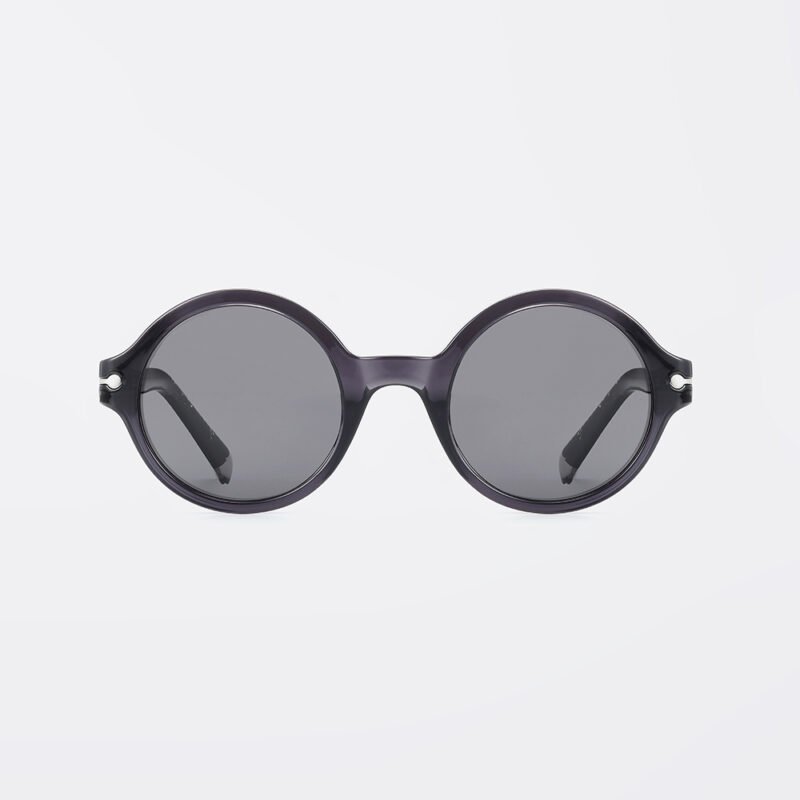
Sunglasses Ji-2019S
$39.90 -
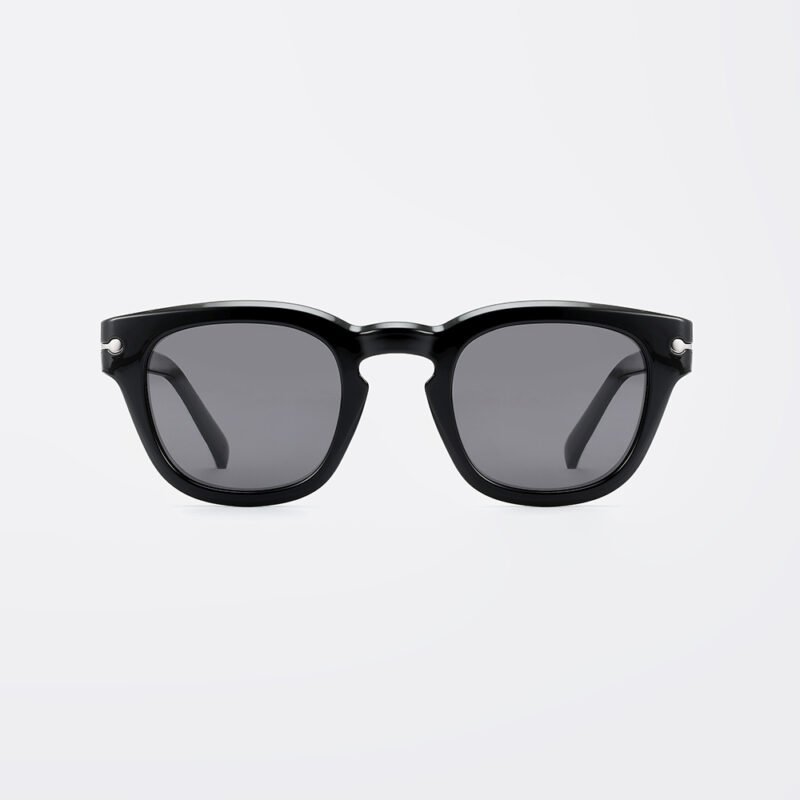
Sunglasses Ji-2018S
$39.90 -
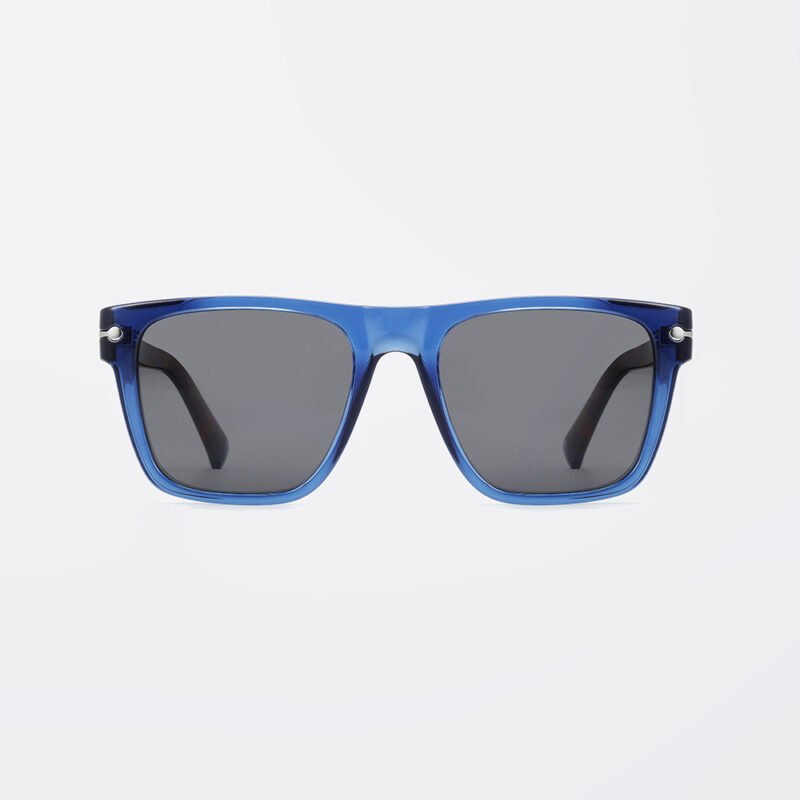
Sunglasses Ji-2017S
$39.90 -
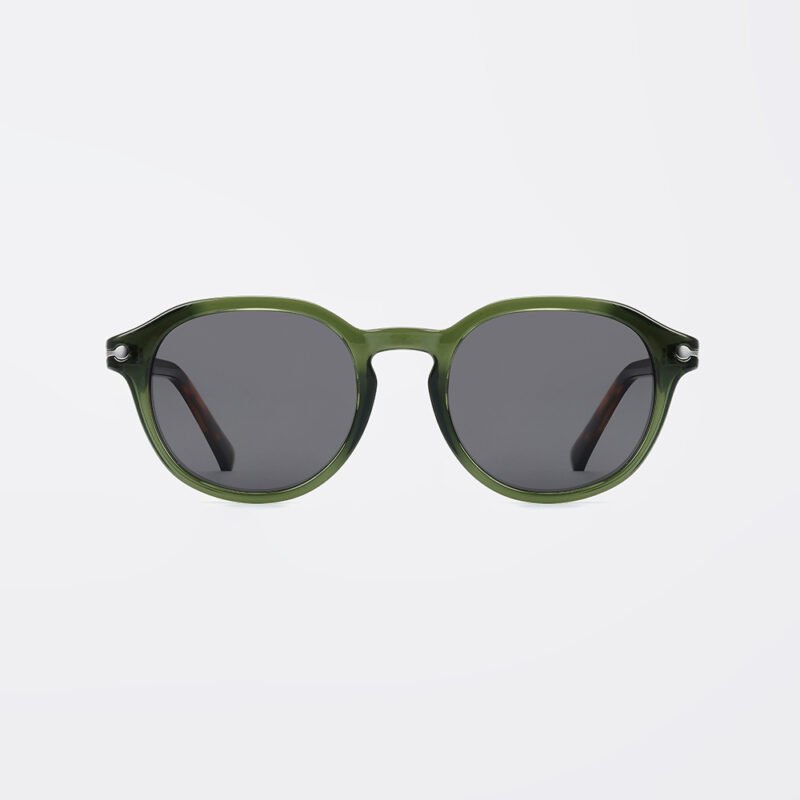
Sunglasses Ji-2016S
$39.90 -
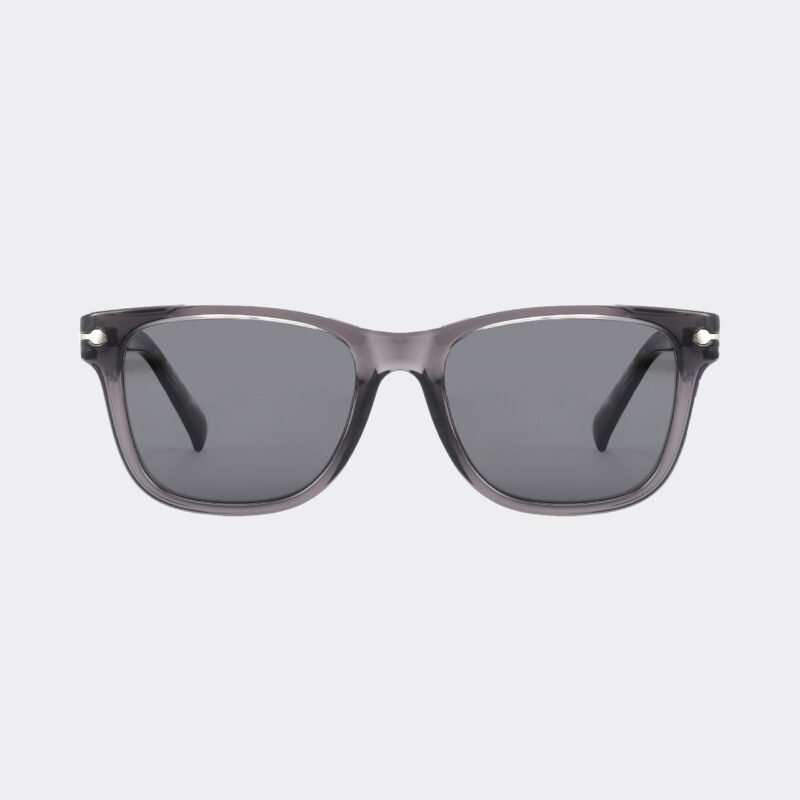
Sunglasses Ji-2015S
$39.90